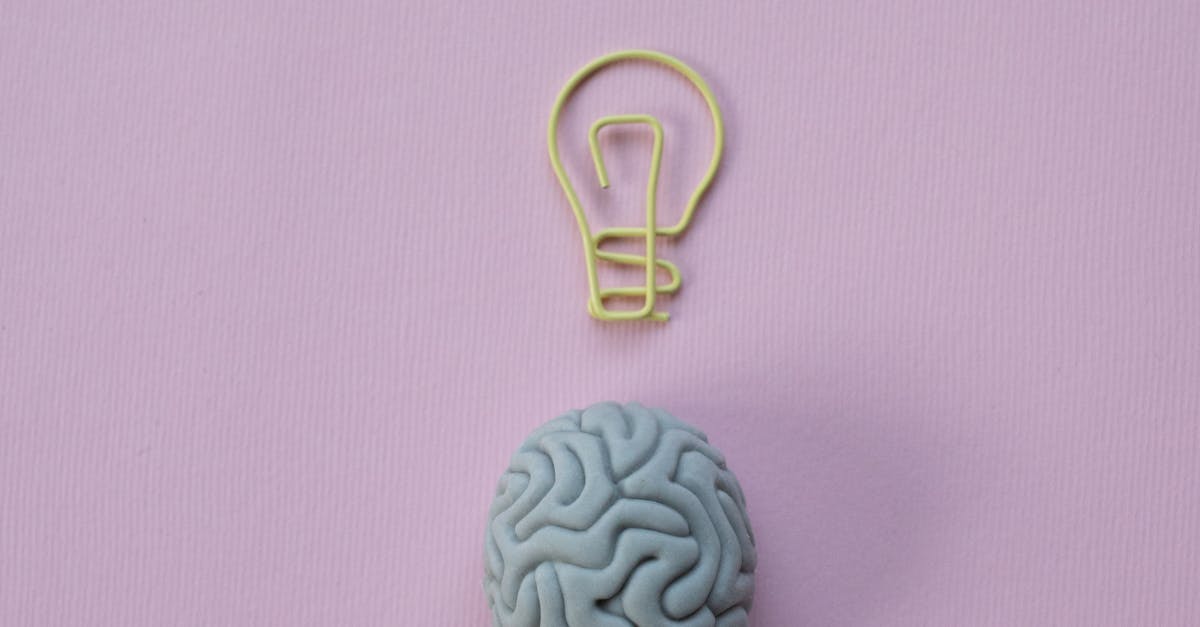
What is brain health day?
Brain Health Day Themes Over the Years
Each year, Brain Health Day adopts specific themes that reflect emerging trends and issues in neuroscience and mental health. These themes are designed to raise awareness about various aspects of brain health, focusing on genetics, mental well-being, and cognitive resilience. Past themes have emphasized the importance of neuroplasticity and the role of lifestyle choices in brain function. By highlighting these topics, the day aims to educate the public and promote discussions surrounding brain conditions and healthy brain development.
Organizations and health institutions utilize these themes to create targeted campaigns and programs that resonate with diverse audiences. The themes often encourage individuals to engage with brain health through educational workshops, social media initiatives, and community outreach. As awareness grows, the themes evolve to address new research findings and societal needs, reinforcing the significance of brain health as a vital component of overall well-being. Such dynamic approaches ensure that Brain Health Day remains relevant and impactful in our rapidly changing world.
Here is a great resource for anyone looking to expand on this topic.
Evolving Focus Areas for Awareness
The focus areas for awareness surrounding brain health have evolved significantly over the years. Initially, the emphasis largely fell on preventing cognitive decline and supporting mental health. As research progressed, discussions expanded to include neurodegenerative diseases, brain injury recovery, and the importance of emotional well-being. This broader perspective encourages a more holistic approach to brain health, acknowledging how physical health and mental wellness interconnect.
Recent themes reflect growing concerns about the impact of technology and lifestyle choices on cognitive function. Increased screen time, social media use, and sedentary behavior have become focal points in raising awareness. Campaigns now frequently incorporate strategies for improving brain health through physical activity, nutrition, and social engagement. These evolving themes highlight the urgency of addressing various factors that contribute to overall cognitive resilience and health across all age groups.
How Organizations Celebrate Brain Health Day
Organizations across the globe mark Brain Health Day by hosting a variety of events designed to raise awareness about brain health issues. These events often include workshops, seminars, and public discussions featuring healthcare professionals and researchers. Educational materials are distributed to help the public understand the importance of brain health, along with resources for maintaining cognitive wellness. Many organizations also utilize social media campaigns to amplify their messages and engage with a broader audience.
In addition to local activities, international collaborations often unfold during this observance. Health institutions partner with non-profits and community groups to create comprehensive programs that emphasize the significance of brain health across different populations. Collaborative efforts may involve joint research initiatives or the sharing of best practices in mental health care. These partnerships aim not only to inform but also to inspire collective action to enhance brain health resources and services.
Collaboration Between Health Institutions
Health institutions work together to amplify the message of brain health. By combining resources and expertise, these organizations can develop comprehensive campaigns that reach a wider audience. Collaborative events often include workshops, lectures, and community outreach programs aimed at educating the public about brain health risks and prevention strategies.
Partnerships between hospitals, universities, and non-profit organizations enhance research efforts focused on neurological health. These collaborations create opportunities for cross-disciplinary studies that address various aspects of brain health. Sharing findings and best practices fosters a culture of innovation, leading to improved treatment options and preventive measures for brain-related conditions.
Personal Action Steps for Brain Health Day
Individuals play a crucial role in promoting brain health within their communities. Simple actions can make a significant impact. Engaging in regular physical activity, maintaining a balanced diet, and prioritizing sleep are fundamental steps. Mindfulness practices such as meditation or yoga can enhance mental clarity and reduce stress. Additionally, staying socially connected with friends and family fosters emotional well-being and cognitive resilience.
Volunteering or participating in local events focused on brain health can increase awareness. Sharing resources and information through social media platforms allows for broader outreach. Attending workshops or seminars provides opportunities for learning and engagement. Embracing lifelong learning through reading or pursuing new hobbies challenges the brain and encourages personal growth. Each of these actions contributes to creating a culture that values and prioritizes brain health.
How Individuals Can Get Involved
Individuals can enhance their involvement by participating in local events organized for Brain Health Day. These activities often include workshops, health fairs, and public talks that address various aspects of brain health. Engaging in these events not only spreads awareness but also fosters community connections. Many organizations also encourage people to host their own gatherings, creating a platform for sharing information and experiences related to brain health.
Another effective way for individuals to make a difference is by sharing educational resources on social media. Posting informative articles, infographics, or personal stories can inspire others to consider their own brain health. Community members can also participate in challenges that promote healthy behaviors, such as exercising regularly or practicing mindfulness. Simple actions like these can lead to greater awareness and positive change for individuals and the wider community.
FAQS
What is Brain Health Day?
Brain Health Day is an annual observance dedicated to raising awareness about the importance of brain health and promoting activities that support cognitive well-being.
When is Brain Health Day celebrated?
Brain Health Day is celebrated on a specific date each year, typically during the month of October, aimed at aligning with global initiatives focused on mental and cognitive health.
What are some themes associated with Brain Health Day?
Over the years, Brain Health Day has featured various themes that focus on different aspects of brain health, such as mental wellness, the impact of nutrition on cognitive function, and the importance of physical activity for brain health.
How can organizations participate in Brain Health Day?
Organizations can celebrate Brain Health Day by hosting events, workshops, or awareness campaigns, collaborating with health institutions, and sharing educational resources to promote brain health.
What can individuals do to support Brain Health Day?
Individuals can get involved by participating in local events, spreading awareness through social media, adopting healthy lifestyle choices, and engaging in activities that stimulate cognitive function, such as puzzles and reading.
Related Links
What wellness month is March?Is June brain health awareness month?
Treating Stroke With Interventional Neurology In St. Thomas
What awareness month is October?